
What shows up on the line
On a real floor, AI usually means cameras that catch defects earlier (AOI), models that flag odd vibration or temperature, or forecasts of failure from PLC and MES history. It rides on instrumentation. A chat assistant that drafts an SOP can help engineers — it does not replace a labeled defect set or a stable encoder count.
Why plants are looking now
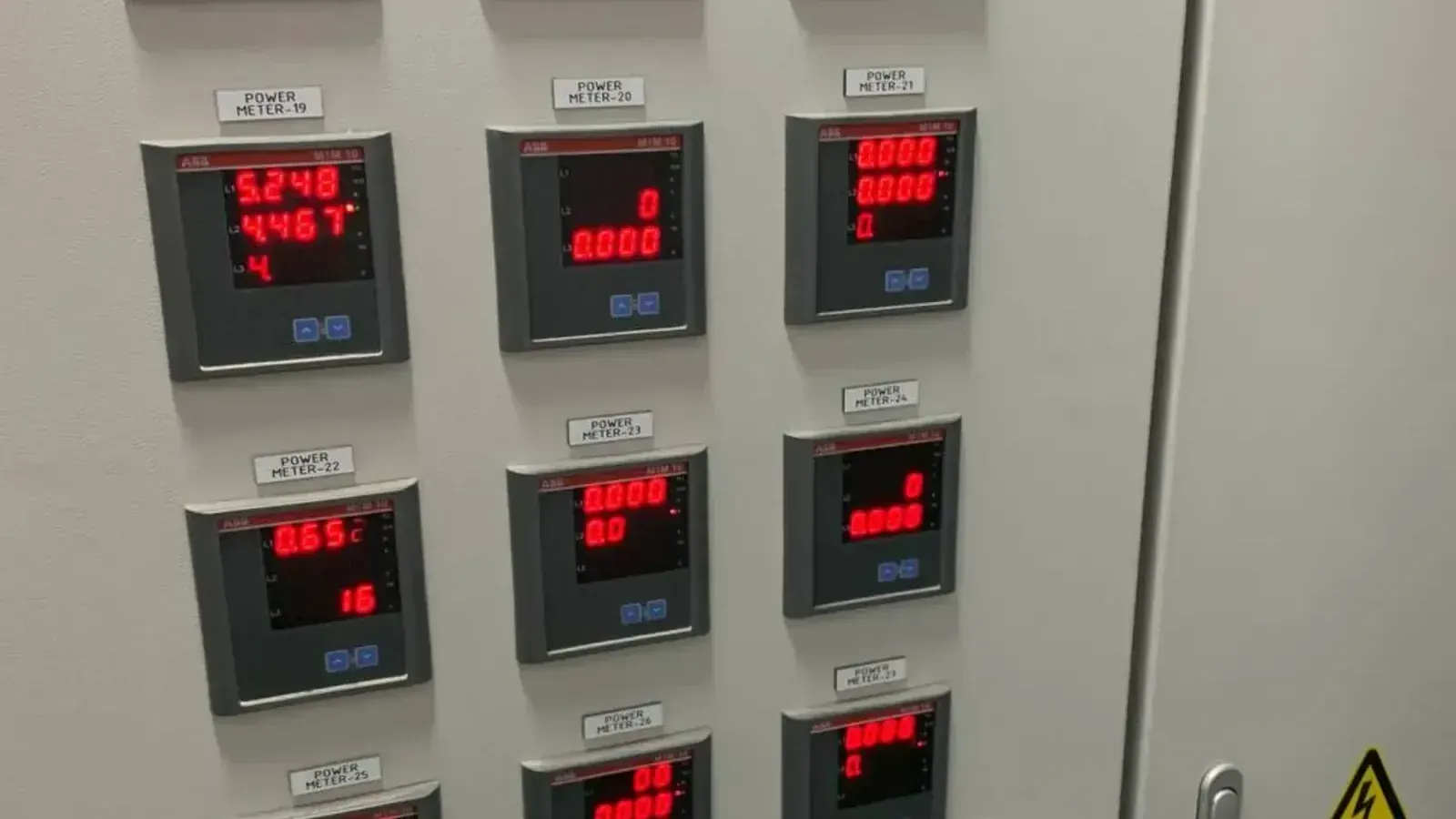
Scrap, warranty returns and unplanned stops still hurt more than slideware. Rules miss subtle patterns; a narrow model can catch them if the data is clean. The same pressure shows up in high-throughput packaging and shared industrial sites. If OEE and metering are still guesswork, pause the AI budget and fix the instrumentation first — otherwise the pilot learns noise.
A pilot that can fail honestly
Choose one loss that hurts. Confirm you can collect labels and stable feeds. Baseline inspection rates and OEE. Run a small model on one station or SKU family with human review. Measure false accepts, false rejects and time-to-detect before you scale. Feed results back to the line team. If the only consumer is a steering committee, the plant will not change.
Key takeaways
- Instrumentation and labels before models
- One station, one measurable loss
- Vision and sensor anomalies are the usual on-ramps
- Judge pilots on scrap, downtime and false rates — not accuracy alone
Frequently asked questions
Do we need a data lake first?
No. You need reliable data for one use case: stable IDs, timestamps, and good/bad or run/stop labels. Grow storage after the pilot earns it.
How is this different from automation?
Automation runs fixed sequences. AI estimates patterns from data. Most plants keep both — PLC control plus a model that raises a hand when something looks off.
Where does OEE fit?
OEE shows which loss bucket is expensive. AI often targets quality (vision) or availability (early failure signals) once that bucket is visible.